
What is the TSP G Fund?
What’s the historical context of the TSP G Fund?
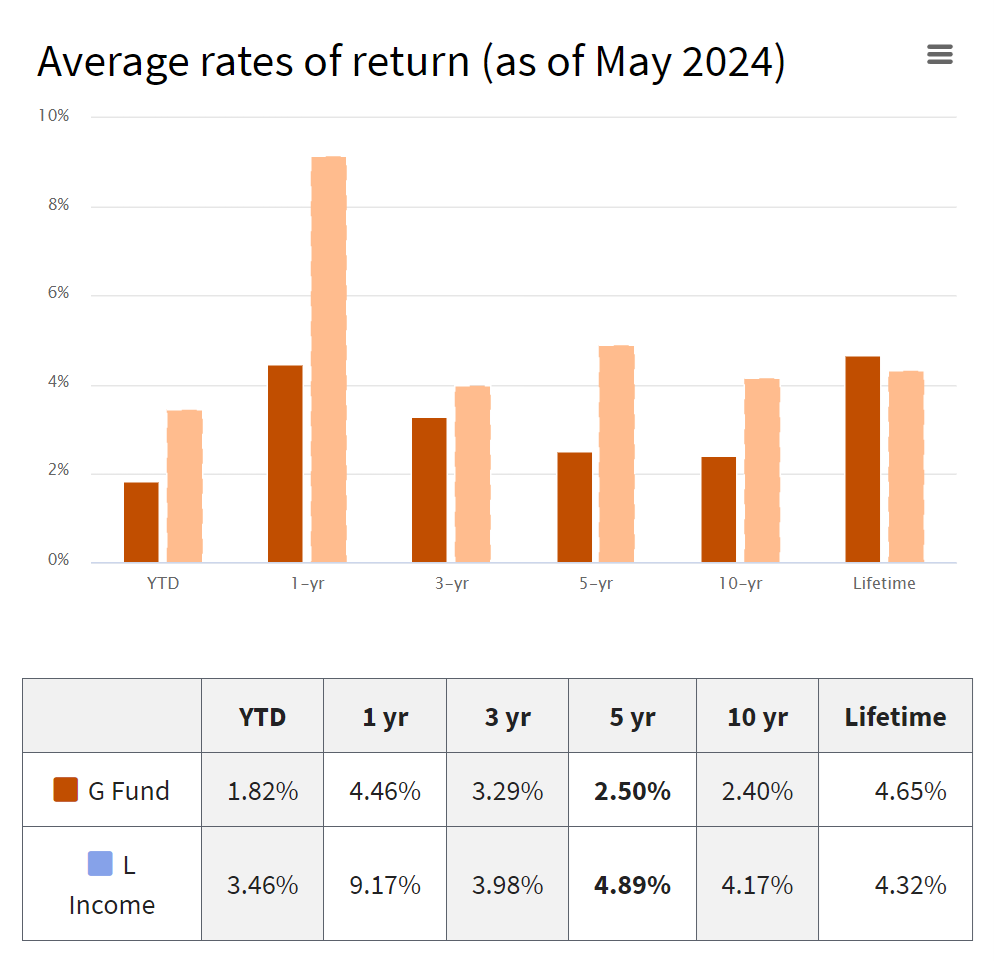
The TSP G Fund, or Government Securities Investment Fund, was created to offer a risk-free investment option for federal employees and members of the uniformed services. Established as part of the Federal Employees’ Retirement System Act of 1986, the G Fund invests in short-term U.S. Treasury securities specifically issued to the TSP. The primary intent behind the G Fund’s creation was to provide TSP participants with a secure investment option that protects their principal while offering a guaranteed rate of return.
What are the primary characteristics of the TSP G Fund?
The TSP G Fund’s primary characteristic is its low-risk nature. It is backed by the full faith and credit of the U.S. government, which assures that the principal is always protected. The G Fund invests exclusively in non-marketable U.S. Treasury securities that are specially issued to the TSP. As a result, the G Fund’s rate of return is sensitive to interest rates on the short-term federal debt but still offers a higher rate than most other short-term government securities available to the public.
How does the TSP G Fund compare to other TSP Investment Funds?
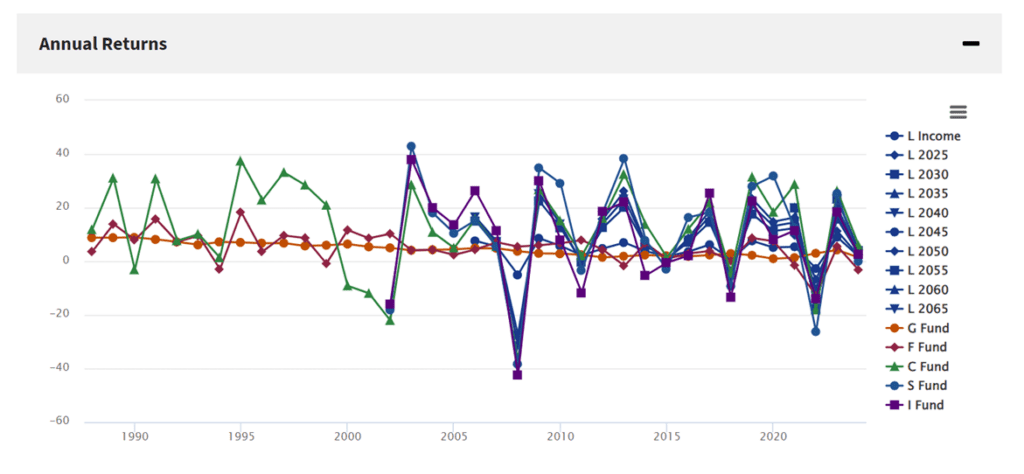
Compared to other TSP investment funds, the G Fund provides the highest degree of security and stability. While other TSP funds, such as the C, S, I, F, and L funds, involve varied levels of risk associated with stock and bond markets, the G Fund’s returns are not subject to market volatility. This makes the G Fund an attractive option for risk-averse investors looking to preserve their capital while earning a steady return. The trade-off, however, is typically lower long-term growth potential compared to the more aggressive funds.
Why is the TSP G Fund considered a secure investment?
What makes the G Fund risk-free?
What makes the G Fund risk-free is its unique investment in short-term U.S. Treasury securities that are guaranteed by the U.S. government. This means that both the principal and interest payments are backed by the U.S. government’s credit, effectively eliminating the risk of default. Unlike other investment options that can lose value due to market fluctuations, the G Fund securities are immune to market risk and interest rate risk, providing a stable and reliable investment vehicle.
How does the G Fund performance compare against other secure TSP Funds?
The G Fund performance is consistently stable, making it a benchmark for security among TSP investment options. Other secure TSP funds, like the F Fund, which invests in fixed-income securities, still carry some level of risk due to potential interest rate changes and credit defaults. In contrast, the G Fund’s performance remains unaffected by these factors, providing a constant and predictable return. Historically, the G Fund does not offer the highest returns but compensates with unparalleled security and steadiness, which is vital for conservative investors.
What is the historical performance of the G Fund?
Historically, the G Fund has offered modest but consistent returns, generally ranging between 1% and 2.5% annually over the past decade, as highlighted in various TSP G Fund news articles. The historical performance of the G Fund reflects its role as a safe harbor for retirement investors seeking to protect their principal. While the returns may be lower compared to equity funds during bullish markets, the G Fund remains an invaluable component of a diversified retirement strategy, particularly during economic downturns.
What happens to the TSP G Fund during a debt ceiling suspension?
What does it mean for the G Fund to be suspended?
A debt ceiling suspension implicates the legal limit on the total amount of federal debt that the government can issue is temporarily lifted or paused. During such events, the G Fund can be temporarily impacted, as the U.S. Treasury may prioritize the management of the overall debt. TSP participants may hear about the G Fund being temporarily suspended or “disinvested” as part of Treasury’s efforts to avoid exceeding the debt limit. However, the principal and earned interest are still safeguarded by federal law, ensuring G Fund investors do not lose their investments.
How are TSP Accounts affected when the G Fund is disinvested?
When the G Fund is disinvested during a debt ceiling crisis, the Treasury Department essentially borrows from the G Fund to manage government operations. However, TSP accounts themselves remain unaffected in terms of the nominal balance and credited earnings. The fund account balances will continue reflecting the value as if the disinvestment did not occur. Once the debt ceiling issue is resolved, the Treasury is legally required to fully restore any disinvested amounts, ensuring no G Fund investor faces any loss.
What is TSP G Fund Disinvestment?
Disinvestment of the TSP G Fund occurs when the U.S. Treasury reallocates funds from the G Fund to cover other obligations during periods when it’s unable to issue additional debt due to the debt ceiling. Although this might sound alarming, the practice is temporary and does not impact the security of the invested principal or accrued interest. TSP participants’ account balances and G Fund returns continue to be recorded as if the disinvestment never took place.
How can investors maximize their returns with the TSP G Fund?
What strategies should be considered for higher G Fund Returns?
To maximize returns from the TSP G Fund, investors should focus on the timing and duration of their investments. While the G Fund provides a stable return, it is beneficial to pair it with other TSP investment funds that offer higher growth potential. By strategically reallocating funds between the G Fund and higher-performing equity funds, investors can enhance overall FRTIB performance while maintaining a balanced risk profile.
What role do Lifecycle Funds play in optimizing G Fund investments?
Lifecycle Funds, or L Funds, are designed to balance risk and return by automatically adjusting the composition of investments as investors approach retirement. Incorporating the G Fund as a part of these Lifecycle Funds ensures that a portion of the portfolio remains secure, particularly as participants age and become more risk-averse, leveraging the stability highlighted in TSP G Fund news. This automatic rebalancing can optimize returns while gradually reducing exposure to market volatility, enabling a smoother transition into retirement.
How can withdrawals from the TSP G Fund impact overall performance?
Withdrawals from the TSP G Fund should be managed carefully to sustain overall portfolio performance. Premature or large-scale withdrawals can reduce the compounding benefit of accrued interest. It’s advisable to plan withdrawals strategically, especially during periods of economic uncertainty, to maintain the stability and growth of retirement savings. Consulting with a financial advisor can help TSP investors develop a withdrawal strategy that aligns with their long-term financial goals.
GFund Rate
To find the historical rates of return for GFund rate of return you can find more information at TSP’s website: TSP Individual Funds (GFund rate)
TSP G Fund Suspended
In 2023, the TSP G fund was suspended due to the debt limit. Learn more about the TSP G fund suspension in the article written to congress: Letter to Congress.
TSP G Fund Rates of Return
What does the future of the TSP G fund rates of return look like? As of September 2024, the G Fund rate of return, currently at 4.125%, is falling fast from its historic highs. The G fund rate has declined from 4.75% in July 2024 due to the anticipation that the Federal Reserve will contine to cut rates. The sharp drop is because of the Federal Reserve’s most recent 0.50% rate cut announcement. The most likely scenario is that the G fund rate of return will continue to drop in the near future.